Coal Chemical Capacity Expansion Impacts the Plastic Recycling Market in China
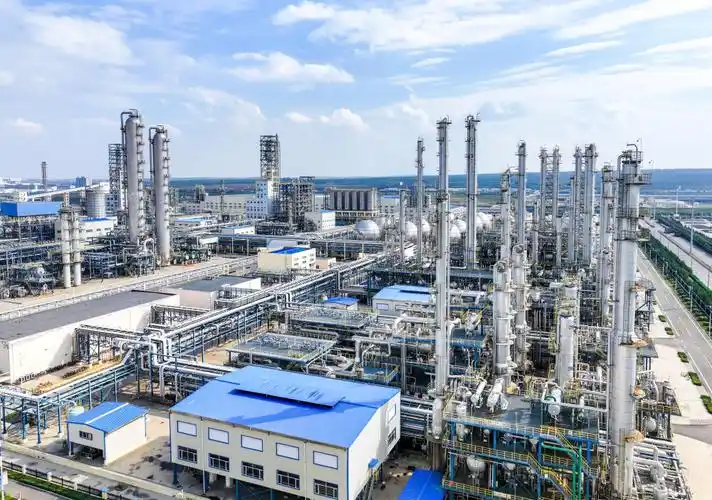
As of October 2025, China's annual polypropylene production capacity has approached 50 million tons, with an additional 7.43 million tons expected to be added in 2026, including 3.53 million tons in the Northwest region. Coal-to-polyethylene and coal-to-polypropylene capacities have reached 6.99 million tons/year and 7.08 million tons/year, respectively. Baofeng Energy has completed the world's largest coal-to-olefins facility (with an annual output of 3 million tons). The rapid expansion of coal chemical capacity has far outpaced market demand growth, potentially leading to a polypropylene supply-demand gap exceeding 7 million tons.
Profit Margins in the Plastic Recycling Industry Are Squeezed
Coal-based plastics hold a significant cost advantage (approximately 3,900 RMB/ton), which is 1,600–1,800 RMB/ton lower than oil-based plastics. As a result, their end prices have become comparable to recycled plastics. In October 2025, the price range for recycled PE granules was 6,200–8,500 RMB/ton, while coal-based polypropylene was quoted at 7,250–7,300 RMB/ton, creating direct competition. The recycled plastics price index fell by 10.8% year-on-year, plunging the industry into a dilemma where "raw material recovery is difficult, and products cannot command high prices."
Imbalanced Cost Structure Intensifies Industry Pressure
Recycled plastics incur additional "hidden costs" such as sorting, cleaning, and compliance certifications, whereas coal chemical companies benefit from stable costs (e.g., urea gasification bituminous coal costs around 1,400–1,500 RMB/ton). Coal-based polypropylene generates a profit of 400 RMB/ton, while oil-based polypropylene incurs a loss of 400 RMB/ton. Coal-based polyethylene profits are 18 times higher than oil-based polyethylene, further squeezing the survival space for recycled plastics.
Market Demand Shifts and Industry Restructuring
Downstream companies are increasingly favoring low-cost coal-based plastics, leading to a decline in operating rates in traditional recycled plastic application sectors such as plastic weaving and pipe manufacturing by 2–6.88 percentage points. In September 2025, the operating rate of recycled plastic processing enterprises was 66%, down 2 percentage points year-on-year. It is estimated that by 2030, 30% of small and medium-sized recycling enterprises will be phased out or consolidated.
Henan Circular Group Invests 250 Million CNY, Zhongyuan Green Circular Economy Demonstration Park Breaks Ground
Major Investment of 680 Million Yuan! Rizhao Sumao Large-Scale Waste Plastic Chemical Recycling Project Announced
Related Article