ChinaRePlas2026 Plastic Physical Recycling Conference Begins Preparations
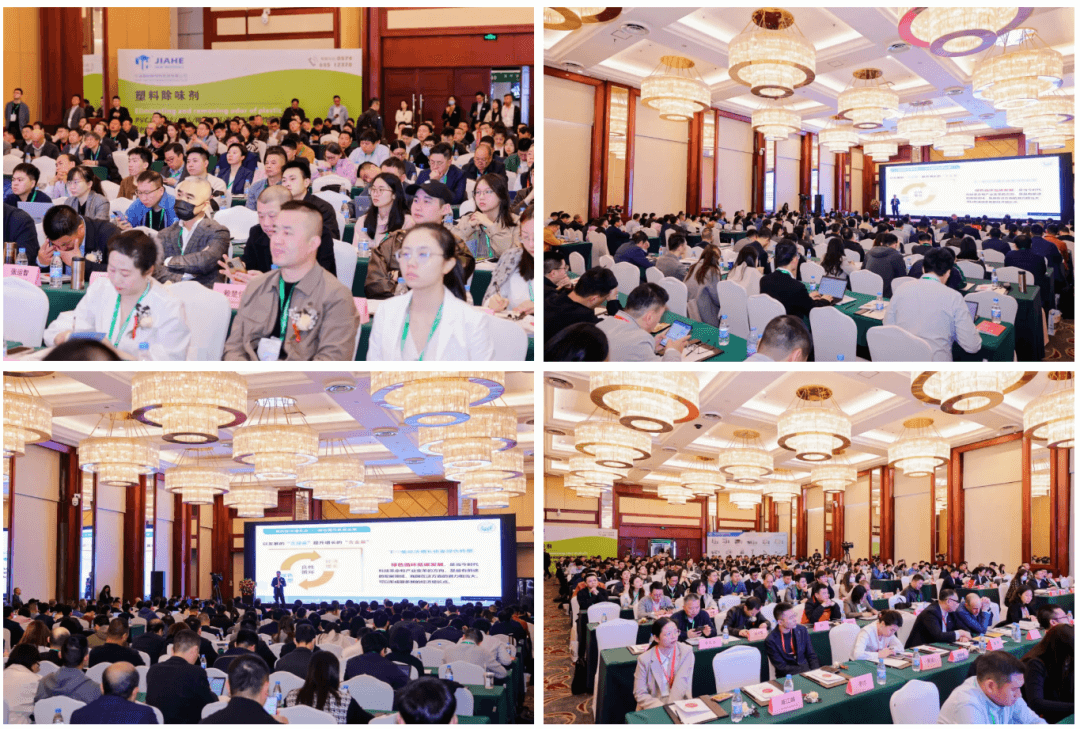
Policies like the "Plastic Pollution Treaty," "Virgin Plastic Recycling," "Mandatory Use of Recycled Plastics," and "Carbon Finance" have yet to fully materialize in China. High-end demand is mainly driven by overseas policies. The year 2026 marks a crucial turning point for China's plastic recycling and recycling industry. The pricing structure for virgin and recycled plastics will need to be reassessed; the supply of virgin plastics will undergo structural changes, and the industry value of recycled plastics needs redefining. Mid- and low-end recycled plastics, which depend on "obtaining low-cost raw materials," are facing disruptive challenges. Under this new situation, plastic recycling enterprises must engage in significant technological and business model innovation. Each segment of the recycled plastics field requires reconstruction and offers new opportunities. State-owned enterprises, national companies, and modified plastics businesses are increasingly entering the recycling industry, accelerating industry consolidation. By 2027, petrochemical industries will face mandatory emissions reductions, and the "dual carbon control" policy will provide new opportunities for the industry. A dual process of elimination and rebirth, as well as adherence and transformation, is underway. A central question for the industry is clear: Who will navigate through the cyclical fog, withstanding the double challenges of market fluctuations and policy changes, and emerge as a survivor? To respond to the ever-changing industry and to prepare for the key turning point ahead, we sincerely invite you to attend the 2026 China International Plastic Recycling and Reuse Conference/Exhibition (Physical Recycling), which will be held from March 26 to 27, 2026.
Conference Theme:
Survivors - Adapting to New Changes, Mastering New Rules, Creating New Value.
Conference Objectives:
-
Clarify the development trend of the plastic recycling industry in 2026.
-
Explore transformation paths for recycled plastic enterprises to cope with disruptive challenges.
-
Build a platform for sharing technical and business model innovations and breakthrough solutions.
-
Discover opportunities for reconstructing various subfields and link potential cooperation resources.
-
Interpret the "dual carbon" and petrochemical emissions reduction policies and outline practical implementation paths.
-
Promote the integration and collaborative development of central state-owned enterprises, national enterprises, modified plastics businesses, and original industry players.
Conference Content:
01 - Policies and Regulations
-
In-depth interpretation of the "14th Five-Year Plan" on national plastic pollution governance, key supporting areas, and target setting.
-
Forward-looking of the "Environmental Law Code": "Encouragement"? "Mandate"? The impact of related clauses on the entire industry chain.
-
"Recycled Material Application Promotion Action Plan": Expected release, can it drive new demand growth?
-
Tax issues: Improvement of reverse invoicing systems. How will policy "combination punches" reshape the industry's competitive landscape and create new market opportunities and business models?
02 - Market Trends and Business Model Innovation
-
Market Trends: Analyzing the future development trend and price direction of coal chemical and petrochemical polyolefin industries.
-
Supply-Demand Structure Evolution: Dissecting the supply-demand situation, pricing mechanisms, and future forecasts for recycled PET, PE/PP, and other major categories.
-
Business Model Innovation: Sharing new business models such as "Recycling-Reuse-Application" closed-loop cooperation, cross-industry alliances, and green supply chain finance.
-
High-value Application Market Development: Exploring the entry standards, technical barriers, and successful cases of recycled plastics in high-value fields like automotive, electronics, and high-end packaging.
03 - Carbon Mechanism and Green Finance
-
Recycled Plastic Carbon Footprint Methodology: Clarifying the standards for calculating carbon reduction from recycled plastics, boundary setting, and data collection requirements.
-
Carbon Trading Market Opportunities: Analyzing the potential paths and value realization of recycling projects participating in carbon trading under the national carbon market expansion trend.
-
Green Finance Support Plans: Introducing financial tools suitable for plastic recycling projects, such as green loans, green bonds, and fund investments, along with application points.
04 - Overseas and International Trade
-
International Recycling Plastic Industry Trends: Analysis by foreign industry associations, research institutions, and enterprises on global trends.
-
Recycled Plastic Export from China: Case studies and experience sharing.
-
Building Recycled Plastic Factories Abroad: Taking factories to regions with raw materials.
-
Overseas Recycling Plastic Market Overview: Focus on regions like the Middle East, Turkey, Eastern Europe (Poland), Mexico, Western Europe, the United States, and Japan.
05 - Innovative Technologies and Equipment, Empowering the Plastic Recycling Market
-
Intelligent Sorting Systems: AI-driven solutions to address contamination and improve recycling quality.
-
Modular Recycling Equipment: Innovation in complete sets of equipment to enhance efficiency and reduce energy consumption in the recycling industry.
-
Upgrading Recycling Technology: Recycling contaminated and composite materials into high-value products.
06 - Packaging Stations and Sorting Centers
-
Smart Technology to Improve Sorting Efficiency and Scale: Focus on domestic packaging stations, sorting centers, and the development of cash recycling systems.
-
Front-end Pretreatment Technology: How pretreatment technology enhances recycled plastic quality and meets traceability requirements.
07 - Compliance, Traceability, and Management Systems
-
Recycled Material Compliance: In-depth analysis of key standards and certification requirements for recycled content, food safety, etc., both domestically and internationally.
-
Traceability System Integration: How traceability systems established by different companies and platforms can achieve data interoperability and recognition, reducing costs across the industry chain.
-
Industry Integrity and Greenwashing Prevention: Discussing how to establish industry self-regulation mechanisms to ensure the authenticity of recycled material data and combat false advertising.
08 - Resource Integration and Networking
Through the ChinaRePlas exhibition platform, facilitate the integration of resources, capital, technology, and products.
Organizing Institutions:
-
Host: Plastic Recycling Branch, China Synthetic Resin Association
-
Strategic Support: Media Support: People’s Daily, Xinhua Net, The Paper, China.com, Tencent News, Sina Public Welfare, Phoenix News, NetEase News, Global Times, Headlines Today, Sohu News, China Manufacturing Network, ZCQ Info, Plastic Machinery Network, All-Plastic Union, and many other mainstream and industry-specific media.
Chemical Recycling Poised to Breach the "Technology + Policy + Commercialization" Tipping Point | ChemRePlas2026 Preparations Underway
Jinggong Technology Achieves Successful Pilot Production of 50,000-Ton PET Chemical Recycling Line for Jiaren
Related Article