First “Green Digital Intelligence Sorting Center” Launched in Zhangdian District, Zibo: AI-Powered Recycling Takes Off
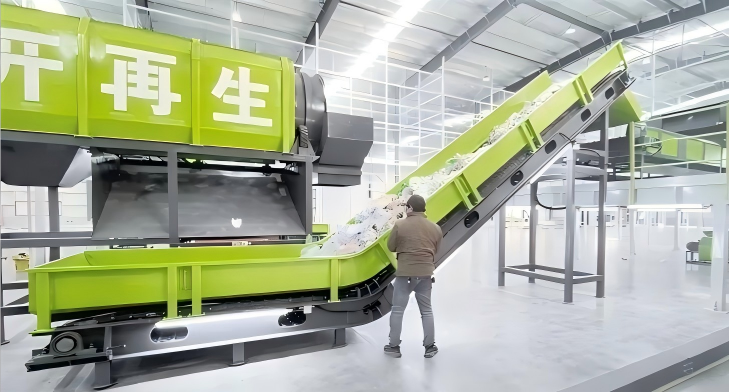
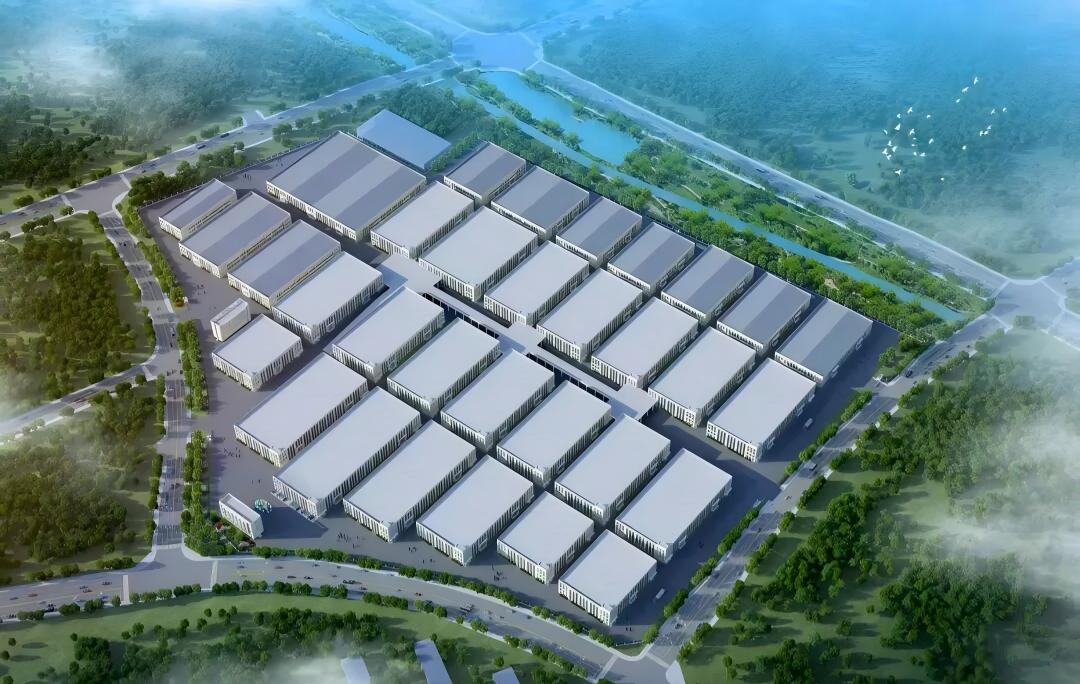
ZIBO, Shandong – On January 12, within the Honghu Industrial Park in eastern Zibo, a 7,000-square-meter facility stands as a landmark in China’s urban waste management transformation. This is not an ordinary factory, but the Zhangdian District’s first “Green Digital Intelligence Sorting Center,” where artificial intelligence is revolutionizing how recyclables are processed.
Developed and invested by Zibo Chengkai Renewable Resources Co., Ltd., the center is designed to process 100 tons of recyclable materials daily—equivalent to reducing carbon emissions by approximately 30,000 tons annually. It addresses longstanding urban challenges, such as low resident participation in waste sorting and the fragmented, inefficient state of the recycling industry, turning a “key small matter” into a “convenient public good.”
At the heart of the operation are three AI-powered optical sorters, capable of identifying different types of plastics on fast-moving conveyor belts with high precision. Together with other intelligent equipment, they automatically categorize materials, pushing sorting purity well beyond manual capabilities.
Building a 15-Minute Recycling Network
The system extends far beyond the sorting center. Twelve “Low-Carbon Recycling Cabins” have been deployed across Zhangdian’s communities, allowing residents to easily scan, weigh, and trade in items like cardboard at fair, transparent prices. These cabins, along with smart bins, scheduled collection vehicles, and integrated traditional recycling stations, form a convenient “four-in-one” front-end collection network—ensuring no community is more than a 15-minute reach from a recycling point.
Full-Chain Traceability and Value Maximization
Inside the center’s control room, a self-developed digital platform visualizes the entire journey of every item—from drop-off time and location, through transportation and AI identification, all the way to its sorted category. This data trail provides a reliable foundation for carbon accounting and quality certification.
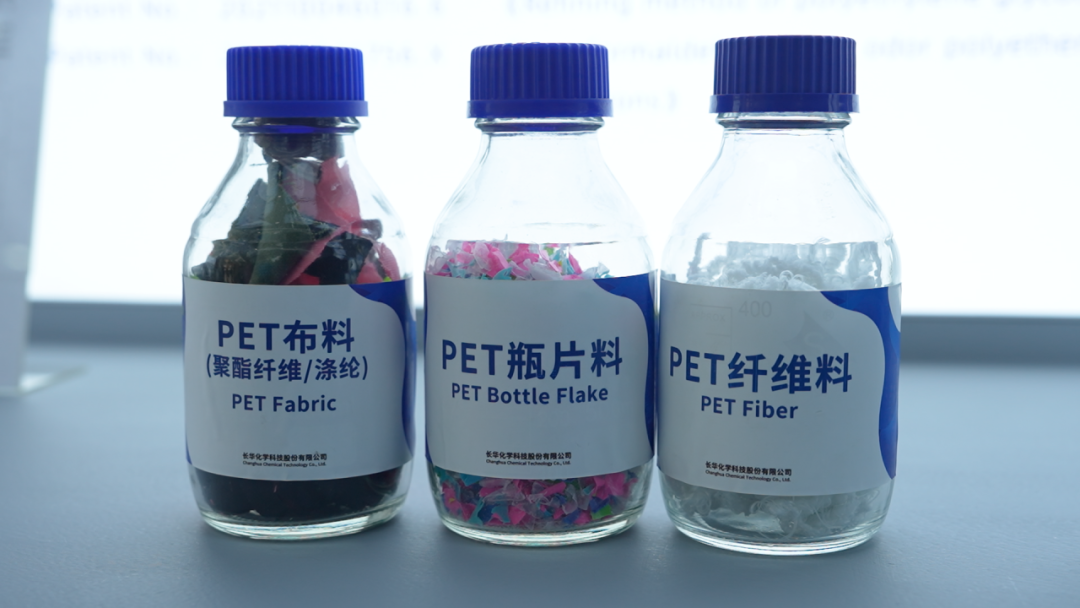
The gains in sorting accuracy translate directly into economic and environmental value. For instance, AI-assisted paper sorting achieves over 95% purity compared to around 85% manually, increasing value by approximately 200 RMB per ton. Sorted materials, such as PET bottles, are supplied to downstream partners for conversion into chemical fiber raw materials, aiming for higher-value applications like food-grade recycled plastic in the future.
Towards a Circular Economy Industrial Park
The project is more than a sorting hub; it is the first phase of a planned Circular Economy Park. Future expansions will introduce high-value plastic processing, deep paper recycling, and R&D projects including chemical recycling of waste plastics and converting waste glass into micro-crystalline glass.
“We don’t want to just be ‘waste movers,’” said a project staff member. “Our goal is to climb the value chain—turning waste into higher-value materials and building a replicable model for urban renewal and industrial upgrading.”
Operating under a collaborative mechanism of “government promotion, market operation, and social participation,” the Zhangdian Green Digital Intelligence Sorting Center sets a new standard for smart, integrated, and scalable urban recycling systems in China.
Full-Process Transparency! Specialized Recyclables Sorting Center Commences Operations in Huishan, Wuxi
China's Ministry of Industry and Information Technology Unveils Key Players for National Plastic Recycling Tech Innovation Challenge
Related Article