Humen Town Advances Green Transformation of Garment Industry, Building a Model for "Waste-Free City" Initiative
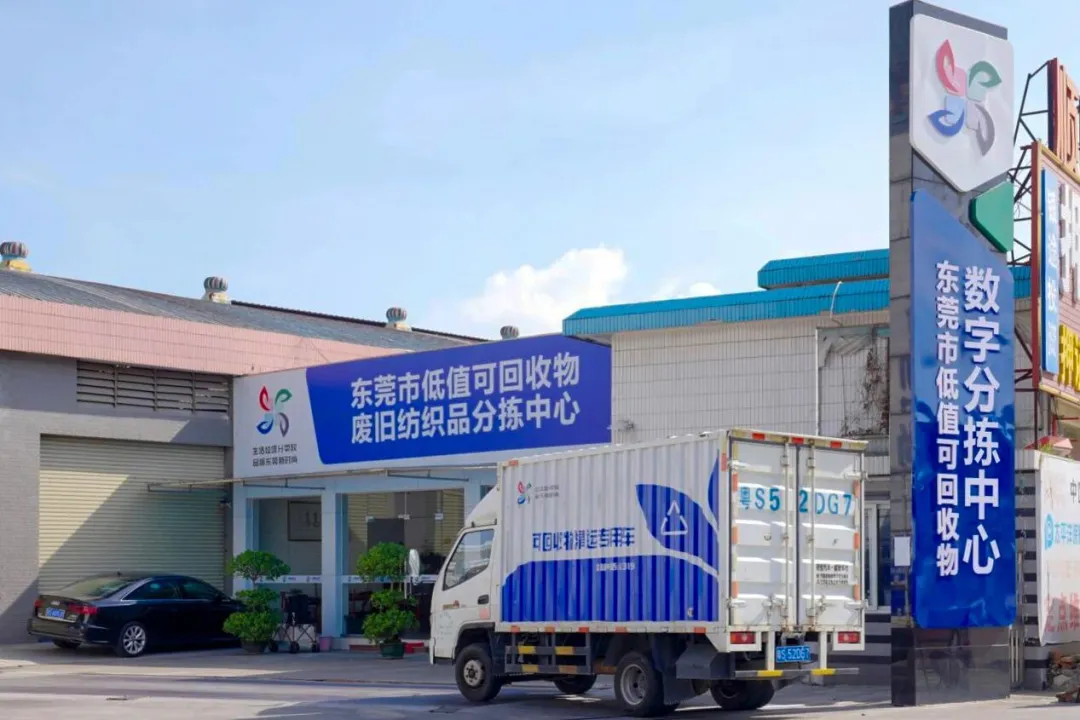
As a globally recognized "Famous Chinese Garment and Apparel City," Humen Town in Dongguan has been actively responding to the city's "Waste-Free City" initiative. By prioritizing the green transformation of its garment industry, the town is promoting pollution reduction, carbon mitigation, and resource recycling across the entire industrial chain.
Humen has introduced a series of supportive corporate policies, including the "Several Measures to Support Textile and Garment Enterprises in Scaling Up, Developing, and Strengthening (Trial)." These measures aim to accelerate the intelligent and green upgrading of the garment industry. The promotion of intelligent cutting systems and digital layout technology has significantly improved fabric utilization, effectively reducing waste fabric at the source. Leading companies such as Yishion, Tingyuxuan, and Yizhen Yixian have taken the lead in implementing digital transformations. Notably, the digital project of Yizhen Yixian (Dongguan) Garment Co., Ltd. was selected as a "Typical Industry Application Case at the 2023 China 5G + Industrial Internet Conference" and included in the "Digital Transformation Directory of the China National Textile and Apparel Council."
Furthermore, in e-commerce and warehousing logistics, intelligent packing systems are being promoted to achieve precise matching of packaging materials, further reducing packaging waste.
Humen is actively constructing a three-tier recycling network encompassing "enterprises, collection points, and utilization centers." A total of 524 used textile collection points have been established across the town. Leveraging an "Internet + recycling" model, the system facilitates convenient collection and centralized disposal of used textiles. Currently, approximately 10 tons of used textiles are processed monthly. After sorting, cleaning, and disinfection, these materials are donated, exported, or repurposed for recycling.
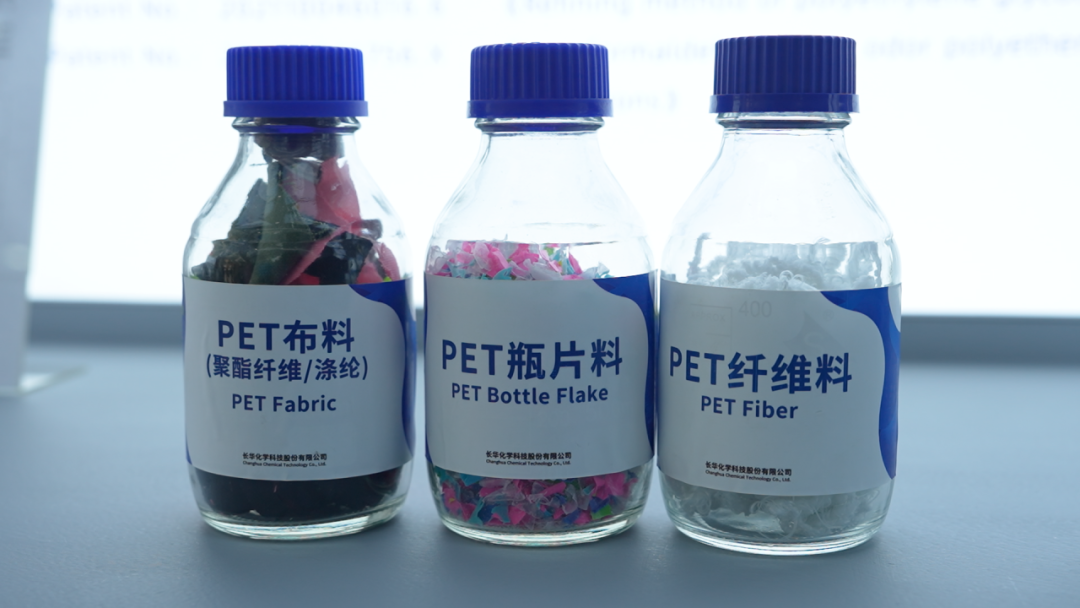
Part of the textile waste is professionally processed into Refuse-Derived Fuel (RDF), which has a calorific value reaching 4,000 kcal/kg and is widely used in industries such as cement production and power generation. Garment scraps are transformed into various products, including mops, industrial wiping cloths, building filler materials, and automotive sound insulation cotton, truly turning "waste into treasure."
HCPect to Launch 1.8 Million Ton Waste Plastic Pyrolysis Projects in Jieyang and Tianjin
Cashway Partners with China Resources Recycling Group to Drive Green Transformation in Financial Sector
Related Article