CARBIOS collaborates with Wankai New Materials to build a PET biological recycling factory, which will be launched in 2026 with an annual production capacity of 50000 tons
author: CPRRA
2025-11-14
On November 6, 2025, French biotechnology company CARBIOS signed an agreement with Wankai New Materials, the third largest PET producer in China and the fourth largest in the world, on the "Basic Principles of Cooperation". The two parties plan to build multiple PET enzymatic recycling factories in Asia. This is the first time that CARBIOS has collaborated through technology licensing, marking a crucial step in its international promotion of technology.
1.Collaboration planning and technology authorization
According to the agreement, both parties will first establish a joint venture in China to construct and operate the first PET bio recycling plant. The factory has an annual processing capacity of 50000 tons of PET waste and is expected to commence construction in the first quarter of 2026. CARBIOS will authorize the joint venture to use its technology to produce PTA and MEG monomers.
Both parties have also established long-term cooperation goals: they plan to jointly build and operate multiple PET recycling factories in Asia, with an annual processing capacity target of 1 million tons. According to the authorization arrangement, the joint venture will obtain exclusive usage rights for CARBIOS technology in the Asian region.
In the joint venture structure, Wankai New Materials will serve as the main shareholder and sole financing guarantor, while CARBIOS will provide core technology. In addition, Wankai plans to invest 5 million euros in CARBIOS to further strengthen the cooperative relationship.
2.CARBIOS Financial and Technical Advantages
Due to funding delays, CARBIOS postponed the construction of its Langkaware factory in France by the end of 2024. However, incentivized by the French government's subsidy policy for recycled plastics introduced in 2025 (with a maximum subsidy of 1000 euros per ton for manufacturers using locally recycled plastics), CARBIOS has decided to restart the construction of the factory before the end of 2025. The factory is designed to have an annual production capacity of 50000 tons of PET waste, with a total investment of approximately 230 million euros. Currently, there is reserved space for expansion, and the production capacity can be doubled in the future.
Due to funding delays, CARBIOS postponed the construction of its Langkaware factory in France by the end of 2024. However, incentivized by the French government's subsidy policy for recycled plastics introduced in 2025 (with a maximum subsidy of 1000 euros per ton for manufacturers using locally recycled plastics), CARBIOS has decided to restart the construction of the factory before the end of 2025. The factory is designed to have an annual production capacity of 50000 tons of PET waste, with a total investment of approximately 230 million euros. Currently, there is reserved space for expansion, and the production capacity can be doubled in the future.
According to Sustainable Plastics, CARBIOS still has a cash reserve of 72 million euros as of June 30, 2025, which can sustain operations for over 12 months.
The core technology of CARBIOS - enzymatic depolymerization process, can efficiently recycle PET plastics and textiles under solvent-free conditions, produce recycled PET of equivalent quality to the original, and achieve 90% carbon reduction. This technology is applicable to various PET waste materials, including colored bottle flakes, multi-layer meal plates, etc., and the produced monomers can be directly used in existing PET production lines without the need for modification.
The core technology of CARBIOS - enzymatic depolymerization process, can efficiently recycle PET plastics and textiles under solvent-free conditions, produce recycled PET of equivalent quality to the original, and achieve 90% carbon reduction. This technology is applicable to various PET waste materials, including colored bottle flakes, multi-layer meal plates, etc., and the produced monomers can be directly used in existing PET production lines without the need for modification.

Enzymatic depolymerization technology for PET plastic recycling and regeneration
3.PET leader Wankai New Materials provides solid support
Wankai New Materials is a leading enterprise in the domestic production of polyester materials, with an annual production capacity of 3 million tons of bottle grade chips, ranking among the top in the world in terms of scale. It has also established long-term cooperative relationships with well-known food and beverage manufacturers such as Nongfu Spring, Coca Cola, Yibao, and Wahaha.
In this cross-border cooperation, Wankai New Materials played a crucial role. As the fourth largest PET producer in the world and the third largest in China, Wankai New Materials not only provides a strong industrial background for cooperation, but also offers solid funding and market guarantees.
This cooperation was not achieved overnight. As early as September and October this year, the two sides have carried out in-depth mutual visits and technological docking, gradually advancing from a strategic cooperation intention a year ago to specific process optimization details. Wankai New Materials, with its deep channels and influence in the PET market in China and even globally, will become an ideal platform for the commercial promotion of CARBIOS enzymatic depolymerization technology in Asia, jointly exploring the vast recycled PET market in Asia.
1.4 billion capital operation: Henan Circular Technology merger and acquisition settled, equity change of ownership
Indorama Ventures and Jiaren Establish Joint Venture to Unlock 100,000 Tons of Recycled PET Spinning Capacity
Related Article
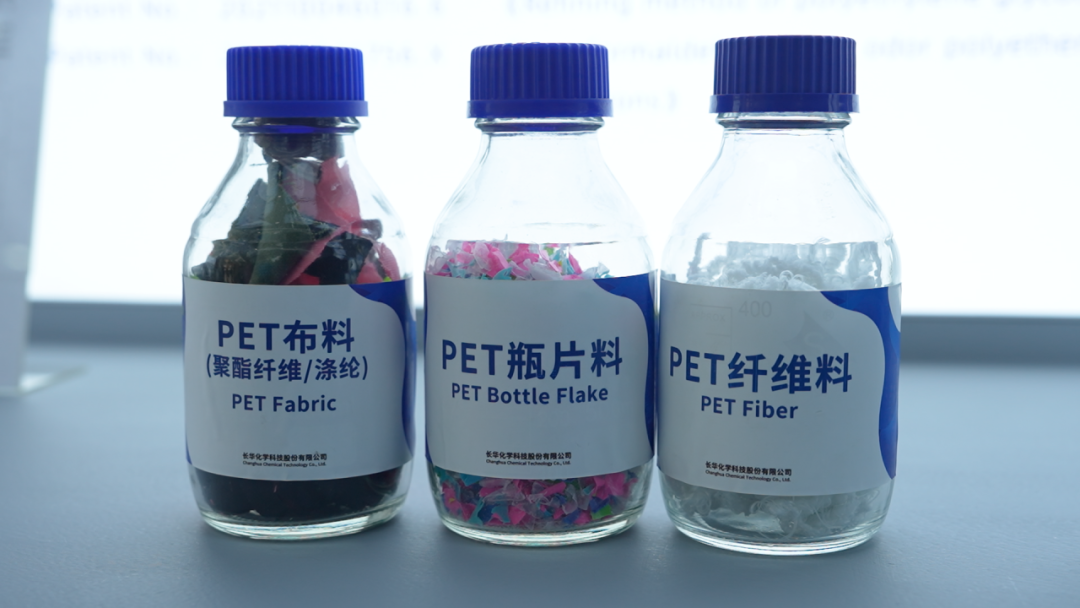
Changhua Chemical Reports Progress in Low-Temperature Chemical Depolymerization of PET Waste
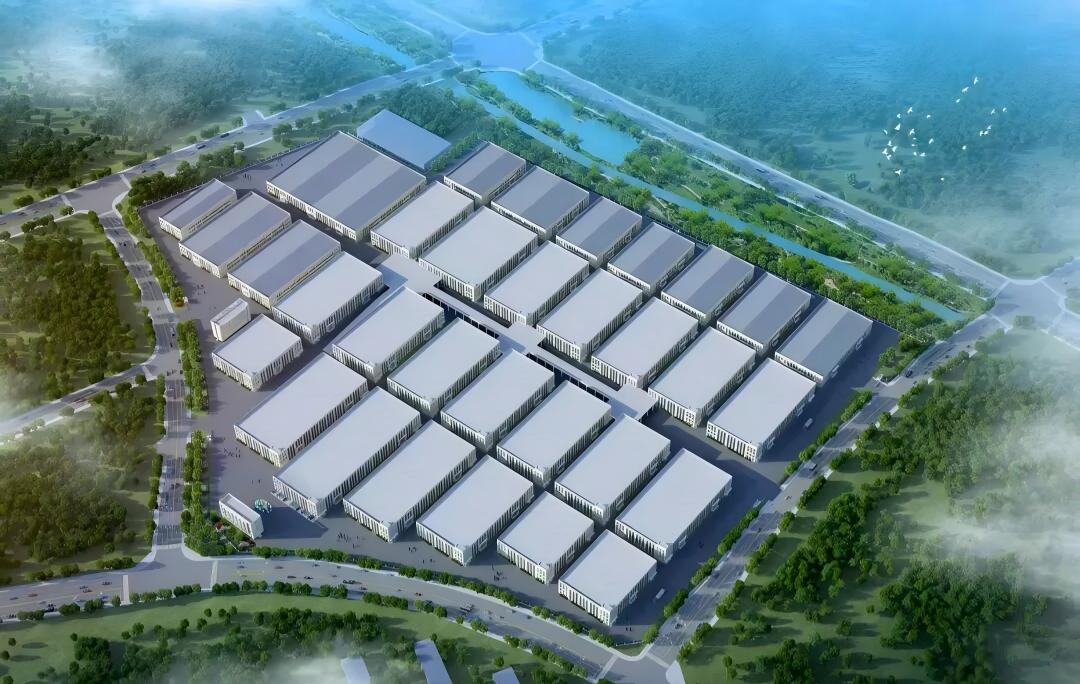
5.2 Billion Yuan Investment: Anhui Recycled Polyester Project to Commence Operation Post-Spring Festival